Arial Script Handwritten Font for Makers
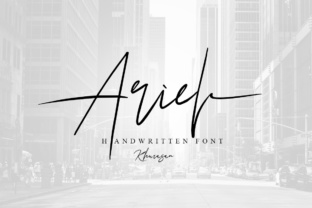
It started with a candle label—three words I needed to place on a kraft paper sticker: “Lavender & Sage.” I’d already tried two script fonts that felt either too fussy or too fragile. Then I opened Arial, and something clicked. Not the classic system font—but this Script Handwritten version of Arial: soft curves, confident spacing, and that rare balance of warmth and polish. Right away, it looked like it belonged—not just on screen, but on real handmade goods.
Arial for Wedding Invitations and Elegant Branding
Arial shines brightest where tone matters most: wedding stationery, boutique welcome boards, and hand-lettered signage. As a Script Handwritten typeface, it’s not overly ornate—no dramatic flourishes or forced drama—just clean, natural movement in every stroke. I tested it on a digital invitation mockup (cream cardstock, gold foil accent), and the name “Elena & James” flowed effortlessly. It read as intentional, not generic. Because Arial is designed for clarity *and* character, it holds up beautifully at 24–36 pt sizes—ideal for ceremony programs, seating charts, or engraved acrylic signs. Pair it with a light sans serif (like Montserrat Light) for body text, and you’ve got timeless, accessible elegance—no design degree required.
Arial for Candle Labels and Small-Batch Packaging
Here’s where Arial surprised me: its legibility on 1.5-inch kraft stickers. Most Script Handwritten fonts blur or collapse at small sizes—but Arial keeps its open counters and generous x-height intact. I printed “Honeycomb Amber” across a matte black candle jar label (using Cricut Design Space), and even at 14 pt, the letters remained distinct, friendly, and fully cuttable. No overlapping paths, no finicky kerning fixes—just smooth, reliable output. That’s huge when you’re prepping 50 labels before a craft fair. Just remember: Arial works best for short phrases (product names, scent lines, shop tags), not ingredient lists or compliance text. For those, keep your go-to sans serif handy.
Arial for Printable Wall Art and Digital Downloads
If you create planner pages, quote prints, or seasonal digital downloads, Arial adds instant charm without sacrificing professionalism. I dropped it into a minimalist “Good Morning” wall art layout (A4, white background, soft gray ink preview), and the result felt both handmade and high-end—like something you’d frame, not scroll past. As a Fonts asset, Arial includes clean OTF/TTF files, standard Latin character sets, and consistent spacing across weights—so your Canva templates, Procreate lettering layers, or Silhouette Studio SVG previews render predictably. Bonus? Its neutral warmth pairs beautifully with watercolor textures, linen overlays, or muted palettes—no clashing, no visual fatigue.
Arial for Greeting Cards and Handmade Stationery
There’s a quiet confidence in Arial—the kind that makes “Happy Birthday” feel personal, not programmed. I printed it on folded cotton-blend cards using an Epson EcoTank, and the ink settled cleanly into the fibers: no bleeding, no haloing. The Script Handwritten rhythm gives each word gentle lift—“You’re Amazing” had just enough personality to stand out from mass-market options, yet enough structure to feel trustworthy. For layered greeting card designs, I often use Arial for the main sentiment and pair it with a simple serif (like Playfair Display) for the inside message—creating hierarchy without fuss. And yes—it’s fully licensed for commercial use, so whether you’re selling physical cards or editable Canva templates, you’re covered.
Arial for Tote Bags, Mugs, and Merchandise Design
When I ran Arial through a heat-transfer test on a natural canvas tote (“Made With Love”), the curves held their shape after washing—no smudging, no thin-line breakage. That’s because Arial avoids ultra-thin terminals and exaggerated swashes; instead, it leans into balanced weight distribution and subtle contrast. As a Fonts choice for merchandise, it bridges the gap between “hand-drawn” and “designed”—ideal for small-batch apparel, ceramic mugs, or wooden gift tags. Just avoid scaling it below 18 pt on dark fabrics, and always check your printer’s minimum line thickness guidelines. And if you’re bundling Arial into SVG bundles or design kits? Confirm the license explicitly permits redistribution—most reputable Script Handwritten fonts do, but always verify.
In short: Arial isn’t just another pretty Script Handwritten font. It’s a practical, production-ready Fonts tool built for makers who need beauty *and* reliability—on labels, cards, walls, mugs, and everything in between. It doesn’t shout. It connects. And once you’ve used it on something real—a candle, a card, a tag—you’ll see why it feels less like a download, and more like a trusted collaborator.